
The previously identified highlights from the 2020–2025 Master Plan reflect Daemen’s continued investment in its future and its commitment to excellence. Strategic investments in campus aesthetics and capital projects have built upon the strong foundation established through the accomplishments of the previous plan. As we look ahead to the next five years, the following seven projects represent the highest facilities priorities for the 2025–2030 planning period. Each advances institutional strategy, builds on prior investments, and responds to clearly defined campus needs.
Daemen Hall
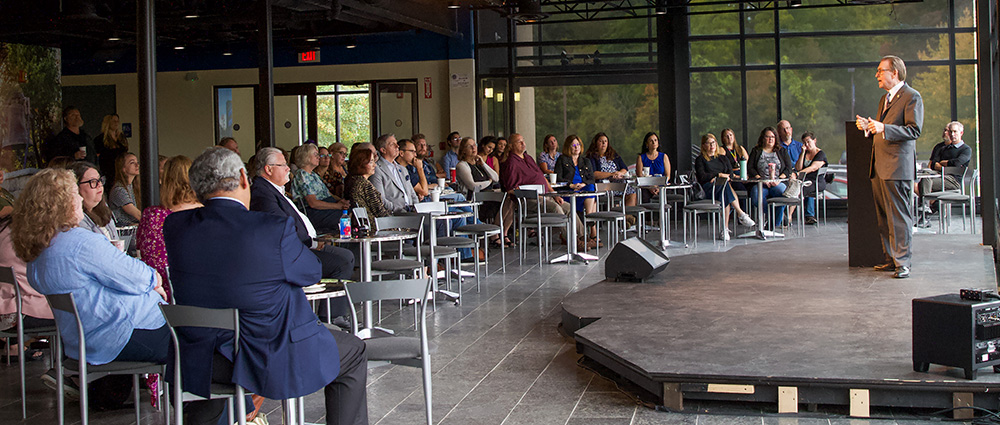
Daemen Hall represents a flagship investment in the university’s academic, cultural, and community mission. With the departure of MusicalFare, the university had a unique opportunity to reclaim and reposition this iconic facility (built in 1949) as a flexible, multi-purpose hub that can serve a broad spectrum of institutional needs while strengthening the overall campus experience. The growing need for this space to be returned to university control underscores Daemen’s ongoing growth and commitment to innovation, reflecting the institution’s forward-looking approach to academic, cultural, and community priorities.
Renovations will be carried out in a phased, strategic approach. The first phase will focus on upgrades to the areas outside the Bistro and Auditorium, along with the installation of an elevator to enhance accessibility and ensure compliance with modern standards. This phase will lay the foundation for making the building fully inclusive and navigable, creating a welcoming environment for all students, faculty, staff, and visitors. Following this, a comprehensive environmental scan and remediation—if warranted—will be conducted in the remaining spaces to address health, safety, and sustainability considerations before any interior modifications begin.
Subsequent renovations will align with a mixed-use model as proposed by the Daemen Hall Usage Committee. This approach ensures that each space is thoughtfully configured to support instructional programs, performance and presentation venues, admissions and advancement events, alumni engagement, and student activities. By creating versatile, adaptable spaces, the building will be capable of accommodating evolving academic and co-curricular priorities for years to come.
The transformation of Daemen Hall is more than a renovation—it is a strategic investment in visibility, engagement, and institutional vitality. Once complete, the building will serve as a central hub for campus life, reinforcing recruitment, student retention, community partnerships, and alumni connections. Its enhanced accessibility, modernized infrastructure, and flexible design will position Daemen Hall as a signature destination on campus, reflecting the university’s commitment to innovation, excellence, and high-impact learning.
Executive Boardroom Renovation (Completion Phase)
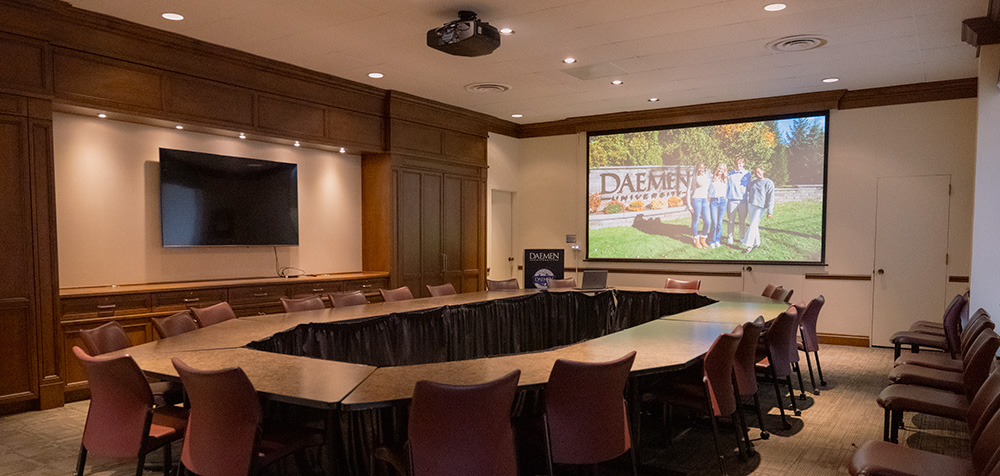
The Executive Boardroom is a critical institutional space where key governance decisions are made and high-profile meetings and events are hosted, underscoring its importance to executive leadership and institutional stewardship. As the primary professional meeting space on campus, it fulfills a critical need by providing an appropriate setting for trustee meetings, executive sessions, and high-level institutional engagement. Over time, the boardroom has evolved from an antiquated, multipurpose room into a more polished executive meeting environment. Previous investments have significantly improved finishes, cabinetry, and technology, establishing a strong foundation and elevating both the functionality and presence of the space.
To fully realize the boardroom’s intended purpose and continue this evolution, a final phase of renovation is necessary. The proposed scope includes removal of the rear wall to expand the room by approximately twelve feet, allowing the space to appropriately accommodate governance meetings and executive functions. The project also includes procurement of a new executive boardroom table designed to support contemporary governance practices and collaboration.
In addition, technology upgrades will continue to be evaluated and incorporated as institutional needs and innovations evolve, ensuring the space remains adaptable, efficient, and aligned with the needs of the university. Completion of this renovation will ensure the Executive Boardroom reflects the professionalism, functionality, and stature required to meet both current demands and the future direction of the institution.
Canavan Hall

Student recruitment and retention remain the lifeblood of colleges and universities, and the first-year student experience is paramount to the success of Daemen. Canavan Hall has long played a foundational role in welcoming students to campus, serving for decades as a primary residence hall for first-year students and a key setting for early community-building and engagement. As one of the university’s most established residential facilities, Canavan Hall has supported generations of students as they transition to college life and begin their academic journeys at Daemen.
While select upgrades have been completed in recent years, additional renovations are necessary to modernize living spaces, improve furnishings and finishes, and enhance overall comfort. Continued investment in Canavan Hall supports recruitment and retention by ensuring that residential facilities align with evolving student expectations and institutional standards. Given the building’s prominent role in shaping first impressions and early community-building, these improvements are critical to the first-year student experience.
In addition, technology needs within Canavan Hall will continue to be evaluated as student expectations and residential best practices evolve. Enhancements to connectivity, safety systems, and shared-use technology will be considered to support academic success, community engagement, and overall student well-being. Ensuring that residential spaces are equipped to meet modern technological demands is an important component of maintaining a high-quality first-year experience and positioning Daemen competitively for future students.
Home of Opportunity, Purpose & Engagement (HOPE) Center
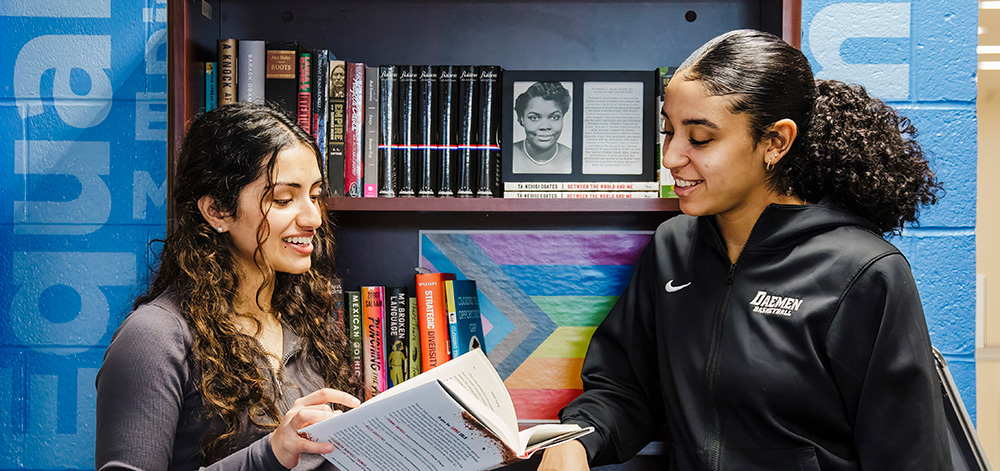
The HOPE Center represents a cornerstone of Daemen’s commitment to student support, wellbeing, and belonging. Serving as the university’s central hub for engagement, the Center provides a welcoming environment where students, faculty, and staff connect, collaborate, and participate in programs that foster personal, academic, and professional growth. By addressing both basic needs and broader student development, the HOPE Center plays a critical role in supporting student persistence, success, and holistic development.
While the HOPE Center has already established itself as a vital resource on campus, enhancements to the facility are necessary to expand programming, improve functionality, and create spaces that better support student interaction and engagement. Planned upgrades include expanded study and gathering areas, modernized lounge and recreational spaces, and increased accessibility to essential resources such as the Campus Care Cupboard. These improvements will allow the Center to accommodate growing demand for services and strengthen its capacity to support student retention, wellbeing, and leadership development.
In addition, technology and infrastructure needs within the HOPE Center will be evaluated to ensure that the space can effectively host programs, workshops, and events that advance student success. Enhancements to connectivity, audiovisual capabilities, and flexible-use spaces will enable the Center to deliver services efficiently and support a dynamic range of student experiences. Investing in the HOPE Center aligns with Daemen’s broader strategic goals by creating a modern, inclusive facility that fosters connection, engagement, and a sense of belonging for the entire campus community.
Anatomage Anatomical Sciences Resource Room (Schenck 109)
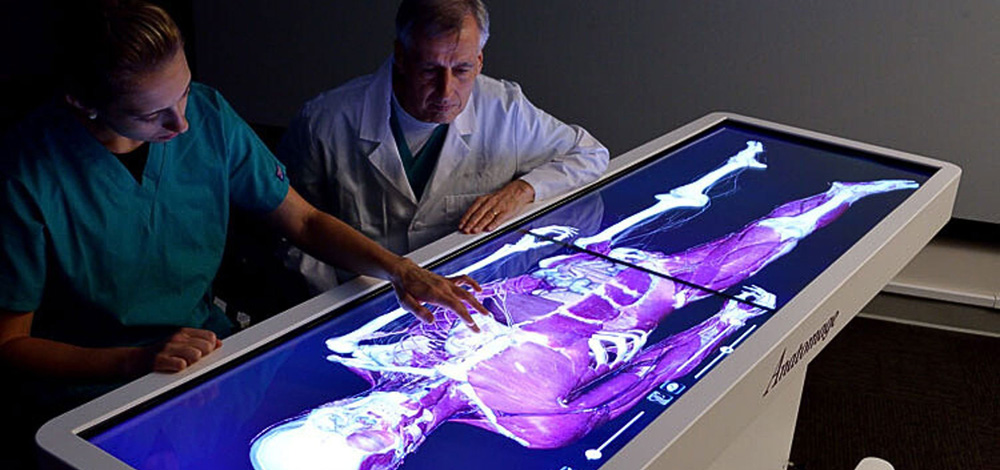
image © Anatomage
The creation of an Anatomage Anatomical Sciences Resource Room in Schenck 109 will significantly enhance instructional capacity for students in health professions and natural sciences programs. By providing a dedicated, technology-enabled space for experiential learning, this resource room strengthens program competitiveness, supports student engagement, and responds to sustained enrollment growth in health-related disciplines.
Planned improvements to Schenck 109 include updating finishes such as painting walls and floors, installing LED lighting and new blinds, and adding a carpeted area to support the Anatomage table. Flexible seating will be incorporated to accommodate diverse instructional formats, and a large flat-screen display will project the Anatomage table for enhanced visibility during teaching sessions. Additional functional upgrades include relocating lockers from Schenck 110 to create a dedicated locker area within the room.
The resource room will complement existing laboratory infrastructure by providing students with advanced, hands-on learning experiences that mirror professional practice. By investing in Schenck 109, Daemen ensures that its health sciences programs remain at the forefront of pedagogical innovation, offering students cutting-edge tools and environments that prepare them for future careers in health and science fields.
Yurtchuk Student Center HVAC Upgrades
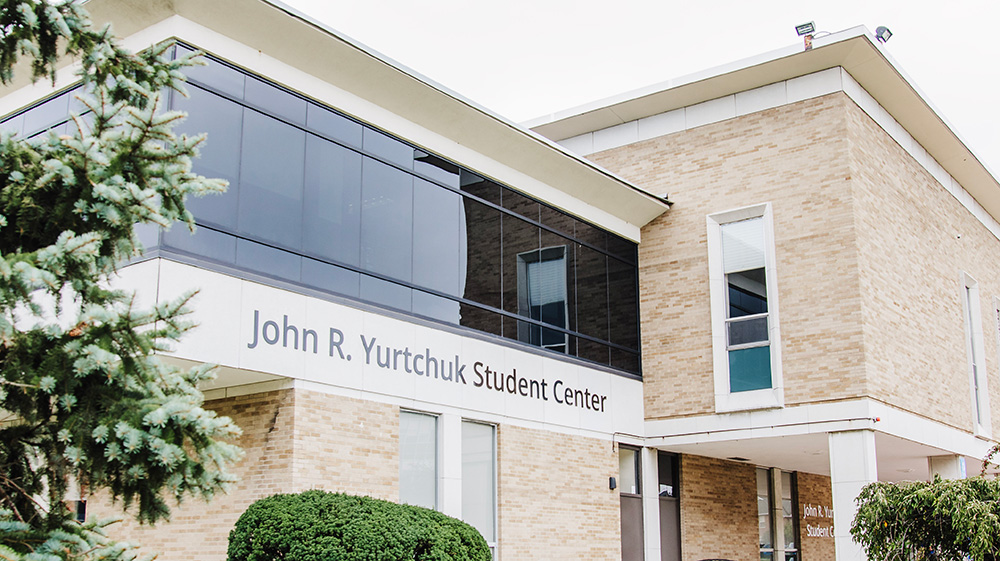
The Yurtchuk Student Center is a central gathering space on campus, serving as a primary hub of student activity and community engagement throughout the academic year. Currently, the building’s heating and cooling systems are well beyond their typical useful life. These systems operate inefficiently, are costly to maintain, and face an increasing risk of failure if not addressed in the near term.
Upgrading the HVAC infrastructure is critical not only to restore reliable climate control but also to significantly improve comfort for all building users, including students, staff, and visitors. Modernized systems will enhance energy efficiency, reduce maintenance burdens, and align with the university’s sustainability objectives.
Investing in these improvements will extend the functional life of the Yurtchuk Student Center, ensure that it continues to support a vibrant campus environment, and enhance the day-to-day experience for everyone who relies on this space. By addressing these critical infrastructure needs proactively, the university safeguards one of its most heavily used and valued facilities, positioning it to serve future generations of the campus community.
Campus-Wide Restroom and Plumbing Renovations
Restroom and plumbing facilities are fundamental to the comfort, health, and daily experience of the entire Daemen community. Many campus restrooms have experienced deferred maintenance over time, and upgrades are needed to ensure ADA compliance, improve functionality, and enhance overall quality of life for students, faculty, staff, and visitors.
A comprehensive, campus-wide renovation plan over the next five years will address these critical needs in a phased and strategic manner, balancing priorities with available resources. These improvements will create safer, more accessible, and welcoming spaces across multiple facilities while reducing ongoing maintenance costs and supporting long-term operational efficiency.
Even deferred maintenance items must be treated as priorities, reflecting Daemen’s commitment to a sustainable, well-maintained campus. By addressing these needs proactively, the university ensures that all facilities remain functional, cared for, and capable of supporting the daily life of the campus community.
Other Identified Priorities
While the seven primary projects outlined above address the most critical and immediate needs for Daemen, additional facility initiatives have been identified that warrant attention. These projects may be advanced during the 2025–2030 period as resources allow and are grouped thematically for clarity and planning purposes.
Ongoing classroom modernizations and laboratory enhancements will continue to support evolving pedagogical and programmatic needs. Specific priorities include:
- Undergraduate Chemistry Laboratory (DS 201/203): These instructional spaces are in critical need of modernization. Renovations should include full refurbishment of the classrooms, improved storage, and enhanced temperature control in the adjacent Chemistry Stockroom.
- Schenck Hall (SH101, SH107): Replacement of carpets and blinds throughout Schenck Hall, including front windows and rear-facing windows in specific classrooms, to ensure a consistent and functional learning environment.
- HyFlex Classroom and Non-Classroom Spaces: As the university expands distance education and HyFlex offerings, classrooms suitable for hybrid delivery will be carefully identified and equipped with the necessary lighting, configuration, and technology.
Targeted improvements to Student Affairs and engagement areas will enhance co-curricular programming, student connection, and campus events.
- Yurtchuk Student Center – Social Room: Upgrades to lighting, sound, and furnishings are long overdue, as the room serves public, social, and student recruitment events. No significant updates have been made in over a decade.
- Duns Scotus: Installation of vinyl graphics to enhance the aesthetic appeal of student gathering spaces.
- Rosary Hall: Updates to parlor furnishings and stairway carpeting to maintain a welcoming and functional environment for students and visitors.
Additional residence hall and apartment improvements will focus on furnishings, finishes, and functionality:
- Campus Apartments: Though Building 71 has received updates to common areas, other apartments remain outdated due to budget constraints. Annual furniture purchases have only allowed for minimal improvements, such as a few couches per year. Completion of upgrades to Canavan Hall is prioritized before further apartment renovations.
Select athletics and wellness projects contribute to campus vitality and student wellbeing:
- Lumsden Gym – Expansion: Plans include accommodating a minimum of 800 new seats and adding supplemental storage space for athletic equipment, contingent on donor funding.
- Lumsden Gym – Facility Upgrades: Replacement of the 25-year-old cold therapy unit and installation of a new sound system that allows volume control for athletics events.
- Scott Bieler College of Health Professions (Academic Wellness Center): Installation of air conditioning in the gym space to improve usability and comfort during seasonal operations.
Continued investments will ensure reliability, resilience, and modern functionality across campus:
- Wi-Fi Expansion: Extend Nile Student Wi-Fi to Canavan Hall and refresh Main Street Campus Wi-Fi to support academic, residential, and administrative needs.
- Elevator Upgrades: Gradual replacement of elevators across campus over the five-year Master Plan term to ensure safety and accessibility.
- Getzville Houses: Upon regaining possession of 89 and 99 Getzville, raze 89 Getzville and conduct a feasibility assessment for a parking lot. 99 Getzville will be evaluated for conversion to office space.